
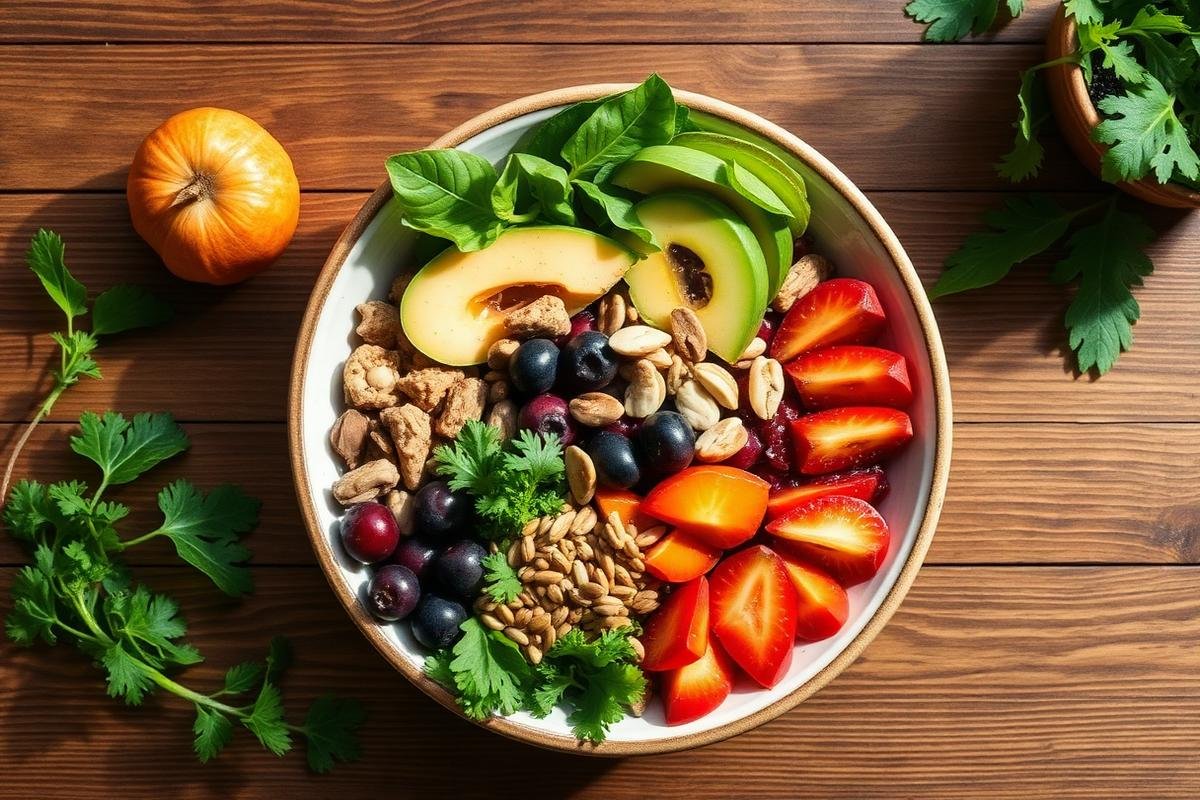
Ancient yogic texts devote remarkable attention to food. The Bhagavad Gita divides all foods into three categories — sattvic (pure, light, energizing), rajasic (stimulating, restless) and tamasic (heavy, dulling). Modern nutrition science, with its talk of inflammation, glycemic index and gut microbiome, is in many ways rediscovering what yogis observed thousands of years ago: what we eat profoundly shapes how we feel, think, move and sleep.
The Sattvic Principle
Sattvic foods are fresh, plant-forward, lightly prepared and eaten in moderation. Think seasonal fruit, leafy greens, whole grains, legumes, nuts, seeds, fresh herbs and a modest amount of unrefined dairy if your body tolerates it. These foods are said to leave the body feeling light, the mind clear and the heart open — exactly the qualities that support a yoga practice.
You do not need to eat a strictly sattvic diet to benefit from yogic nutrition. Simply shifting the balance of your plate — more vegetables, more whole grains, fewer processed foods, less caffeine and alcohol — produces dramatic changes within weeks.
What to Build Your Plate Around
Vegetables, generously
Half of every plate should be vegetables — ideally a rainbow of colors. Different pigments deliver different antioxidants, and variety is more important than any single "superfood." Cook some, eat some raw, season liberally with olive oil, herbs and a squeeze of lemon.
Whole grains
Brown rice, quinoa, oats, millet, barley and whole-grain breads provide sustained energy and fiber that feeds your gut microbiome. Refined grains spike blood sugar and leave you sluggish — exactly the opposite of what you want before yoga.
Plant proteins
Lentils, chickpeas, beans, tofu, tempeh and edamame deliver protein along with fiber, minerals and almost no saturated fat. Combined with whole grains, they provide all essential amino acids.
Healthy fats
Avocado, olive oil, nuts, seeds and the occasional handful of olives keep you satisfied and support brain function. Fat is not the enemy — refined sugar is.
Eating Around Your Practice
Yoga is best practiced on a relatively empty stomach. Aim to finish meals at least two hours before practice; a light snack — a banana, a few almonds, a small smoothie — is fine 30 to 45 minutes before. Practicing on a full stomach is uncomfortable in forward folds and twists and can leave you nauseated.
After practice, your body is primed to absorb nutrients. A balanced meal within an hour — say, a grain bowl with vegetables, beans and avocado — supports recovery and replaces electrolytes. Drink water throughout the day, not just during class.
Hydration, Simply
The simplest, most underrated wellness practice is drinking enough water. Aim for roughly two liters per day, more if you sweat heavily. Start every morning with a large glass of room-temperature water — your body has just gone eight hours without fluids. Limit caffeine to one or two cups before noon; it stimulates the nervous system in ways that work against meditation and quality sleep.
The Foods to Limit
Ultra-processed foods, refined sugar, deep-fried foods, excessive caffeine and alcohol all fall on the rajasic-to-tamasic end of the spectrum. They are not "evil" — a slice of birthday cake will not derail your practice — but a daily diet built on them will leave you foggy, inflamed and exhausted, no matter how many yoga classes you take. Eat them occasionally, mindfully, without guilt. Build your daily plate around real food.
A Sample Day
Morning: warm water with lemon on waking; a bowl of oats with fruit, nuts and a spoon of honey after practice. Lunch: a generous grain bowl — brown rice, roasted vegetables, lentils, avocado, tahini dressing. Afternoon: herbal tea, a handful of dates and almonds. Dinner: a vegetable soup or stew with whole-grain bread, eaten at least two hours before bed. Simple, satisfying, sustainable.
The Inner Work of Eating
Yogic nutrition is not only what you eat but how. Sit down for meals. Put away the phone. Chew slowly. Notice the colors, smells and flavors. Stop when you are comfortably satisfied, not stuffed. These small acts transform eating from consumption into nourishment. Done consistently, they reshape your relationship to food — and through food, to your body, your energy and your practice.