The 7 Chakras Explained: A Beginner's Guide to Yoga's Energy System
Of all the concepts in yoga philosophy, the chakras are perhaps the most fascinating, the most often misunderstood and the most practically useful when actually understood. The word chakra means "wheel" in Sanskrit, and the seven major chakras are described in ancient yogic texts as spinning wheels of energy aligned along the spine, each governing specific physical, emotional and spiritual aspects of human experience. Whether you approach the chakras as literal energy centers, useful metaphors or a sophisticated psychological framework, working with them consistently produces measurable changes in physical health, emotional balance and self-awareness. This guide walks through each chakra in detail and offers specific practices to balance them all.
What Are the Chakras?
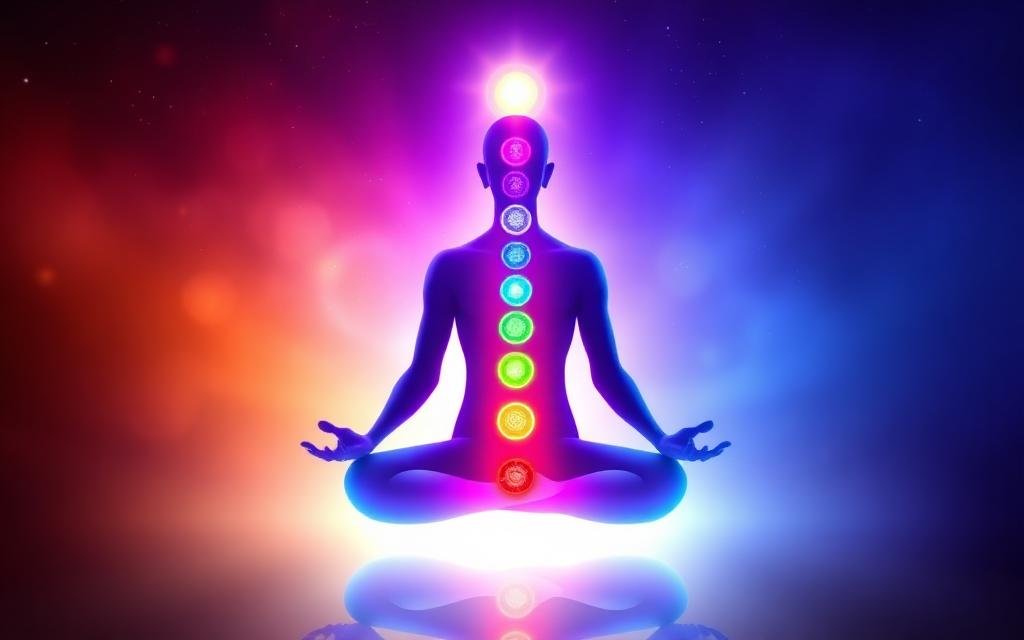
The chakra system originated in Tantric and Vedic traditions thousands of years ago. The seven major chakras run from the base of the spine to the crown of the head. Each is associated with a specific color, sound, element, organ system, emotional theme and spiritual quality. When a chakra is balanced, the associated physical, emotional and spiritual functions flow smoothly. When a chakra is blocked or excessive, characteristic patterns of dysfunction emerge. The work of yoga, meditation and breathwork is to recognize these patterns and bring each chakra back into balance — a process that gradually transforms not just the body but the entire personality.
1. Root Chakra (Muladhara)
Location: Base of the spine. Color: Red. Element: Earth. Governs: Survival, security, grounding, basic physical needs, the legs and feet.
The root chakra is your foundation. When balanced, you feel safe, secure, financially stable and physically rooted. When blocked, you feel anxious, fearful, ungrounded or chronically worried about money and survival. Excessive root energy can manifest as greed, hoarding or rigid attachment to material security.
Balancing practices: Standing poses (Mountain, Warrior I, Chair Pose), walking barefoot on earth, eating root vegetables, the mantra LAM, meditation on a red disc at the base of the spine.
2. Sacral Chakra (Svadhisthana)
Location: Lower abdomen, just below the navel. Color: Orange. Element: Water. Governs: Creativity, sexuality, emotions, pleasure, the reproductive and urinary systems.
The sacral chakra is the seat of creativity and emotional flow. When balanced, you feel creative, passionate, emotionally fluid and comfortable in your body. When blocked, you may feel emotionally numb, creatively stuck, sexually disconnected or experience reproductive issues. Excessive sacral energy can manifest as emotional volatility, addiction or compulsive sexual behavior.
Balancing practices: Hip-opening poses (Bound Angle, Pigeon, Cow Face Pose), creative expression, time near water, the mantra VAM, dance and free movement.
3. Solar Plexus Chakra (Manipura)
Location: Upper abdomen, between the navel and ribcage. Color: Yellow. Element: Fire. Governs: Personal power, willpower, self-esteem, the digestive system.
The solar plexus is your inner fire. When balanced, you feel confident, decisive, motivated and capable. When blocked, you may struggle with low self-esteem, indecisiveness, digestive issues and feeling like a victim of circumstance. Excessive solar plexus energy can manifest as controlling behavior, anger, perfectionism or workaholism.
Balancing practices: Core-strengthening poses (Boat, Plank, Warrior III), Kapalabhati breath, sunlight exposure, the mantra RAM, setting and pursuing meaningful goals.
4. Heart Chakra (Anahata)
Location: Center of the chest. Color: Green. Element: Air. Governs: Love, compassion, relationships, the heart and lungs.
The heart chakra is the bridge between the lower physical chakras and the upper spiritual chakras. When balanced, you feel loving, compassionate, connected to others and at peace. When blocked, you may struggle with loneliness, grief, difficulty trusting others or fear of intimacy. Excessive heart energy can manifest as people-pleasing, codependency or losing yourself in others.
Balancing practices: Heart-opening backbends (Camel, Bridge, Cobra, Wheel), loving-kindness meditation, the mantra YAM, conscious gratitude practice, spending time in nature.
5. Throat Chakra (Vishuddha)
Location: Throat. Color: Blue. Element: Ether. Governs: Communication, self-expression, truth, the thyroid and throat.
The throat chakra is your voice in the world. When balanced, you communicate clearly, speak your truth and listen well. When blocked, you may struggle with speaking up, fear of judgment, frequent sore throats or thyroid issues. Excessive throat energy can manifest as talking too much, gossiping or speaking without listening.
Balancing practices: Shoulder Stand, Plow Pose, Camel Pose, chanting and singing, the mantra HAM, conscious truthful communication, journaling.
6. Third Eye Chakra (Ajna)
Location: Between the eyebrows. Color: Indigo. Element: Light. Governs: Intuition, insight, imagination, the brain and eyes.
The third eye chakra is the seat of inner vision. When balanced, you trust your intuition, see situations clearly and have a vivid imagination. When blocked, you may feel mentally cloudy, doubt your intuition or experience headaches and vision issues. Excessive third eye energy can manifest as overthinking, obsessive analysis or being lost in fantasy.
Balancing practices: Child's Pose with the forehead pressing into the floor or a block, alternate nostril breathing, the mantra OM, meditation on the space between the eyebrows, time in darkness or starlight.
7. Crown Chakra (Sahasrara)
Location: Top of the head. Color: Violet or white. Element: Pure consciousness. Governs: Spiritual connection, higher purpose, the nervous system.
The crown chakra is your connection to something greater than yourself. When balanced, you feel a sense of meaning, connection to the divine (however you understand it) and inner peace. When blocked, you may feel disconnected, cynical or spiritually empty. Excessive crown energy can manifest as spiritual bypassing or disconnection from earthly responsibilities.
Balancing practices: Headstand or Rabbit Pose, silent meditation, the sound of silence itself, prayer, time in awe-inspiring nature, study of philosophical or spiritual texts.
A Complete Chakra-Balancing Practice
Once a week, dedicate a longer practice to moving through all seven chakras in sequence. Start with grounding standing poses for the root chakra and move upward — hip openers for sacral, core work for solar plexus, backbends for heart, throat openers, child's pose for third eye and seated meditation for crown. Spend at least five minutes on each, breathing into the associated body region and visualizing the corresponding color. Even if you do not believe in literal chakras, this systematic attention to every region of the body and every dimension of inner life produces remarkable shifts in self-awareness and well-being.
Final Reflection
The chakra system is ultimately a map. Like any map, its value is not in itself but in how it helps you navigate the territory of your own body and consciousness. Use it loosely. Notice which chakras feel blocked or excessive in your life right now. Apply the practices. Observe what changes. Over months and years, the chakras become a useful vocabulary for inner experience — a way to recognize patterns, identify needs and bring yourself back into balance whenever life pulls you out of it. That is what the ancient yogis intended. May the practice serve you well.