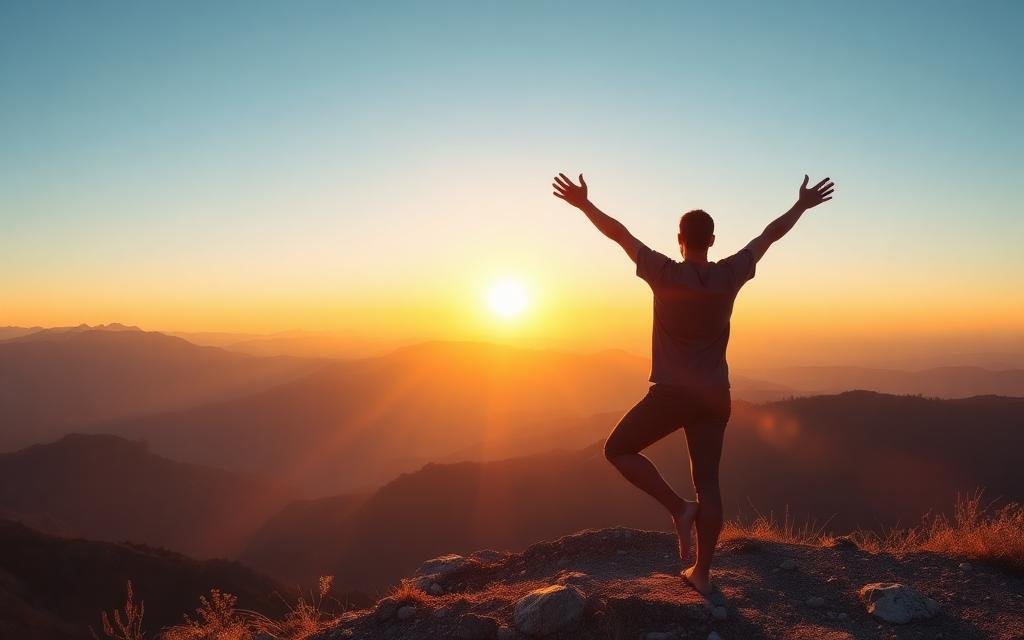
Sun Salutation (Surya Namaskar): The Complete Step-by-Step Guide
Surya Namaskar, or Sun Salutation, is arguably the most iconic sequence in all of yoga. Practiced daily by millions across India and increasingly around the world, this flowing series of twelve linked poses is far more than a warm-up — it is a complete physical and spiritual practice in itself. Done correctly and with mindful breathing, a single round of Sun Salutation engages every major muscle group, mobilizes the spine through its full range of motion, stimulates the digestive and circulatory systems and centers the mind with a clarity that rivals seated meditation. Whether you are a complete beginner or a seasoned practitioner looking to deepen your understanding, this guide will teach you every detail of the practice that ancient yogis considered the core of hatha yoga.
The Origins and Meaning of Surya Namaskar
Surya Namaskar literally means "salutation to the sun." In Vedic tradition, the sun represents the source of all life, energy and consciousness. The twelve steps of the sequence correspond to the twelve solar cycles and the twelve primary energy channels in the body. Each step is traditionally accompanied by a specific mantra honoring different aspects of the sun's divinity. While modern yoga classes often omit the mantras, the energetic architecture of the sequence remains intact. It is designed as a moving prayer — body, breath and intention woven into a single flowing gesture of gratitude.
Preparation: Set Yourself Up for Success
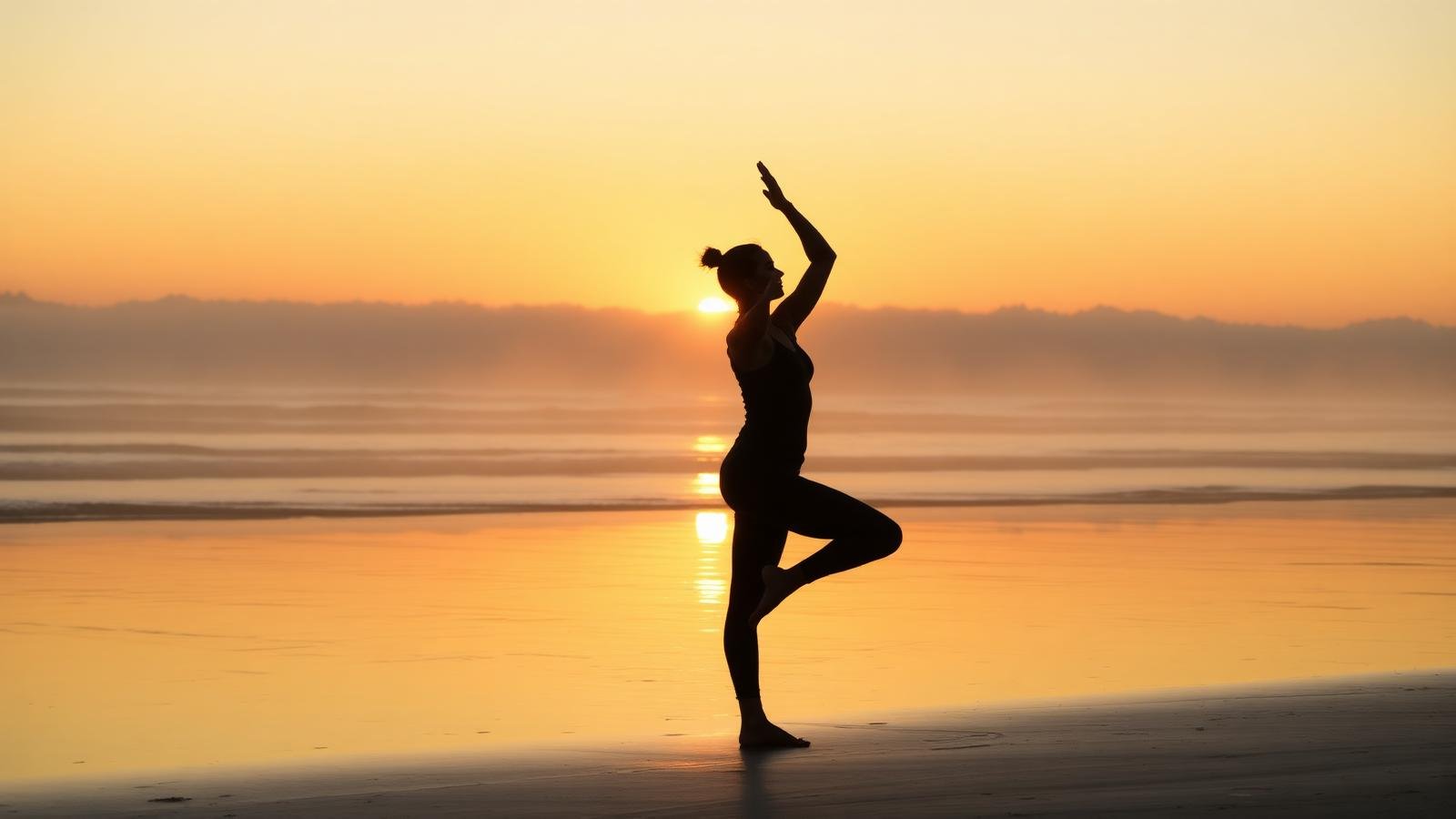
Practice on an empty stomach, ideally in the morning facing east toward the rising sun. A yoga mat provides cushioning but is not strictly necessary on grass or sand. Wear light, comfortable clothing that does not restrict movement at the shoulders or hips. Take three to five slow breaths in a standing position before beginning, letting the mind settle and the body awaken. The quality of your Surya Namaskar depends entirely on the quality of your attention — rushing through the sequence defeats its purpose.
Step-by-Step Breakdown of All 12 Poses
1. Pranamasana (Prayer Pose)
Stand at the front of your mat with feet together, spine tall and palms pressed together at the heart. Close your eyes. Breathe slowly. This is your centering — the moment before movement begins. Feel your weight evenly distributed across both feet. Soften the shoulders away from the ears.
2. Hasta Uttanasana (Raised Arms Pose)
Inhale deeply. Sweep the arms out and up, arching gently backward from the upper back. Keep the lower ribs drawn in to protect the lumbar spine. The gaze follows the thumbs. This pose opens the chest and stretches the entire front body after the compression of sleep.
3. Padahastasana (Hand to Foot Pose)
Exhale completely. Fold forward from the hips, bringing the hands to the floor beside the feet or grasping the ankles. Bend the knees generously if the hamstrings feel tight. Let the head hang heavy. This forward fold calms the nervous system and stretches the entire back body.
4. Ashwa Sanchalanasana (Equestrian Pose)
Inhale. Step the right leg back into a deep lunge, keeping the left knee over the ankle. The right knee touches the floor. Lift the chest and gaze forward. This pose builds strength in the legs while opening the hip flexors — crucial for anyone who sits for long hours.
5. Dandasana (Stick Pose / Plank)
Hold the breath briefly. Step the left foot back to meet the right, coming into a straight line from head to heels. Engage the core, press the floor away through the palms. Plank builds total-body strength and prepares the body for the transition that follows.
6. Ashtanga Namaskara (Eight-Point Salutation)
Exhale. Lower the knees, then the chest, then the chin to the floor, keeping the hips lifted. Only the toes, knees, chest, chin and hands touch the mat — eight points. This humble gesture develops humility and strength simultaneously.
7. Bhujangasana (Cobra Pose)
Inhale. Slide forward and lift the chest into a gentle backbend, keeping the elbows tucked toward the body and the pubic bone pressing into the floor. Cobra strengthens the lower back and opens the heart center. Do not over-arch — the height of the chest matters less than the even engagement along the entire spine.
8. Parvatasana (Mountain Pose / Downward Dog)
Exhale. Tuck the toes, lift the hips high and back into an inverted V shape. Press the chest toward the thighs, relax the neck and pedal the feet if the hamstrings feel tight. Downward Dog is the most-resting pose in the sequence — a moment to breathe, reset and find stillness within movement.
9. Ashwa Sanchalanasana (Equestrian Pose — Other Side)
Inhale. Step the right foot forward between the hands, dropping the left knee. This time the left hip flexor receives the deep stretch. Gaze forward, chest lifted.
10. Padahastasana (Hand to Foot Pose)
Exhale. Step the left foot forward to meet the right. Fold deeply again, releasing the head.
11. Hasta Uttanasana (Raised Arms Pose)
Inhale. Sweep the arms out and up, rising to standing with a gentle backbend.
12. Pranamasana (Prayer Pose)
Exhale. Bring the palms together at the heart, returning to stillness. One round is complete.
Breathing: The Soul of the Sequence
Every movement in Surya Namaskar is linked to either an inhalation or an exhalation. This is not optional decoration — it is the mechanism by which the practice becomes transformative. The inhalations accompany movements that expand the chest or arch the spine. The exhalations accompany movements that fold, contract or release. Breathe through the nose, slowly and audibly. If you lose the rhythm of the breath, slow the movement until the breath returns. The breath is the metronome; the body follows it, not the other way around.
Beginner Modifications
If stepping back into plank is difficult, step back one foot at a time. If lowering through chaturanga is too intense, lower the whole body to the floor at once. If the forward fold strains the lower back, keep the knees deeply bent. If Downward Dog hurts the wrists, come to forearms or take Child's Pose for a breath instead. Surya Namaskar should feel challenging but never painful. The traditional instruction is to practice within 70% of your maximum capacity — this leaves room for the breath to remain smooth and the mind to remain present.
Health Benefits of Daily Practice
Practicing five to ten rounds of Surya Namaskar daily delivers extraordinary benefits. The sequence improves cardiovascular fitness comparably to moderate aerobic exercise. It builds functional strength in the arms, shoulders, core and legs. It enhances flexibility in the hamstrings, hips and spine. It stimulates digestion and elimination through the twisting and compressing actions on the abdominal organs. It improves lung capacity and respiratory efficiency through the coordinated breathwork. Mentally, the rhythmic repetition produces a meditative state that reduces cortisol and improves mood. A 2015 study found that regular Sun Salutation practice significantly reduced body fat percentage, improved muscle endurance and lowered resting heart rate in previously sedentary adults.
Building a Daily Practice
Start with three rounds, moving slowly and deliberately. Add one round per week until you reach twelve. Traditional practice suggests twelve rounds in the morning, though any number practiced consistently is beneficial. Time your practice so each round takes approximately one minute. Resist the urge to race — the depth of your breath matters more than the number of rounds. After your final round, lie in Savasana for at least five minutes to let the body integrate the practice. Over months and years, this simple daily ritual will reshape your body, clarify your mind and deepen your connection to something larger than yourself.
Final Thoughts
Surya Namaskar is not exercise. It is not a workout. It is a moving meditation, a prayer in motion, a complete system for aligning body, breath and awareness. The poses themselves are not the point — the point is the quality of attention you bring to each transition, each breath, each still moment between movements. Start tomorrow morning. Practice slowly. Breathe deeply. Let the sun rise inside you.