Yoga for Kids: Fun Poses, Mindfulness Games and Surprising Benefits
Children today face stressors previous generations would not have recognized. Academic pressure begins in elementary school. Screen time dominates leisure. Outdoor unstructured play has collapsed. Rates of childhood anxiety, sleep problems and attention difficulties have risen sharply over the past two decades. Yoga, taught in a way that respects how children actually engage with the world — through play, story and imagination — is one of the most powerful tools available to support children's physical health, emotional regulation and developing minds. This is not about turning kids into miniature serious yogis. It is about gifting them, early, with tools they can carry for the rest of their lives.
What Kids' Yoga Looks Like
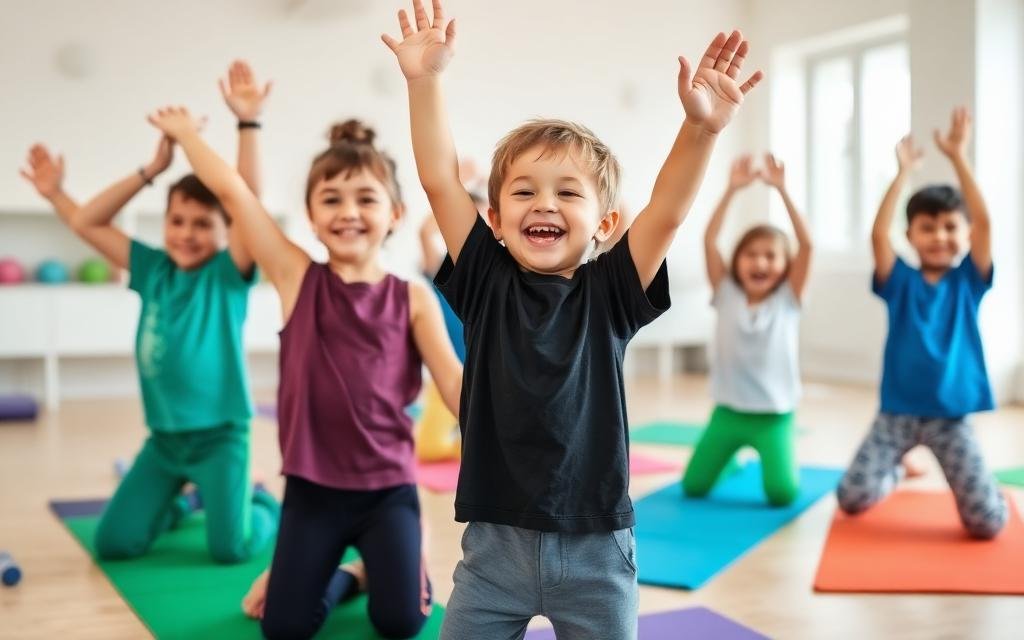
Kids' yoga is loud, silly, imaginative and joyful. Poses become animals — Downward Dog actually barks, Cobra hisses, Lion Pose roars. Sequences become stories — a class might journey through a jungle, meeting elephants, monkeys and butterflies along the way. Breathing exercises become games — bunny breath, dragon breath, bumblebee breath. The serious silent stillness of adult practice has no place in a children's class. The point is not stillness; the point is engagement, embodiment and joy. Done well, kids' yoga is the most fun a child can have on a mat.
The Documented Benefits
Research on children's yoga has grown rapidly. Studies have shown that regular yoga practice in school-age children improves attention and academic performance, reduces anxiety and depressive symptoms, improves sleep quality, builds physical strength and flexibility, enhances body awareness and self-esteem and reduces behavioral problems in the classroom. For children with ADHD, yoga has been shown to improve attention and reduce hyperactivity. For children with autism, yoga improves emotional regulation and reduces self-stimulating behaviors. For typically developing children, it is simply an excellent foundation for lifelong physical and mental health.
10 Favorite Poses for Kids
1. Mountain Pose: Stand tall like a strong mountain. Feel your feet root into the ground.
2. Tree Pose: Balance on one leg, the other foot resting on the ankle or calf. Sway gently in the wind.
3. Downward Dog: Bark. Wag your tail. See the world upside down.
4. Cobra: Lie on your belly and lift your chest. Hiss like a snake.
5. Lion Pose: Kneel, open the mouth wide, stick out the tongue, and roar.
6. Butterfly Pose: Sit with the soles of the feet together, knees flapping like butterfly wings.
7. Cat-Cow: Move between cat (rounded back) and cow (arched back), making the sounds of each animal.
8. Warrior II: Stand strong like a warrior, arms reaching in two directions.
9. Boat Pose: Balance on the sit bones, legs lifted, becoming a sailboat on the water.
10. Child's Pose: Curl up small like a sleeping baby animal. Rest.
Breathing Games
Children love breathing exercises when they are framed as games. Bunny breath: Three quick sniffs in through the nose, one long exhale out the mouth. Dragon breath: Inhale deeply through the nose, exhale forcefully through the mouth, breathing fire. Bumblebee breath: Inhale, then hum on the exhale like a bee. Balloon breath: Inhale slowly, filling an imaginary balloon in the belly, then exhale and let the balloon shrink. These games teach children to use the breath as a tool for self-regulation — a skill many adults never develop.
Mindfulness for Children
Brief mindfulness practices, woven into a yoga class, give children a vocabulary for their internal experience that most adults lack. Try the five-senses game: name five things you can see, four you can hear, three you can touch, two you can smell, one you can taste. Try the weather report: ask children to describe their feelings as weather — sunny, stormy, cloudy, foggy. These tools help children recognize emotions before they become overwhelming behaviors. A child who can say "I feel stormy right now" has dramatically more power than one who only knows how to act out the storm.
Yoga in the Classroom
Schools that integrate brief yoga breaks into the school day consistently report fewer behavioral incidents, better focus during instruction and reduced teacher stress. Even five minutes of yoga between subjects can transform the energy of a classroom. Teachers do not need special training to lead simple stretches and breathing exercises; many free online resources offer ready-made routines for the classroom.
Yoga at Home: Making It Work
Family yoga is one of the simplest ways to introduce children to a regular practice. Roll out mats together once or twice a week. Take turns choosing poses. Make it goofy. Avoid correcting your child's alignment — kids' bodies are different and they will not hold poses the way adults do. The goal is joyful engagement, not perfect form. Praise their effort and creativity rather than their flexibility or strength. End every practice with a brief rest — even two minutes of Savasana teaches children one of life's most important skills: how to be still.
Adapting for Different Ages
Ages 3–5: Sessions should be 10–15 minutes maximum, almost entirely imagination-based. Animal poses, story-based sequences and simple breathing games.
Ages 6–9: Sessions of 20–30 minutes. Still playful, but children can begin holding poses and learning sequences. Add simple mindfulness games.
Ages 10–12: Sessions of 30–45 minutes. Children can begin to engage with the deeper benefits — using yoga and breathing to manage stress, sleep better, prepare for tests.
Teenagers: Sessions can resemble adult practice but should remain non-judgmental and pressure-free.
A Gift That Lasts a Lifetime
Children who learn yoga and basic mindfulness skills early carry those tools into adulthood. They have a vocabulary for emotions. They have a body-based way to calm themselves. They have an embodied understanding that movement and breath can change how they feel. In a world that increasingly demands these skills of adults — and that increasingly fails to develop them naturally — giving a child this foundation is one of the most valuable gifts a parent or teacher can offer. Roll out a mat with the children in your life. Bark like a dog. Roar like a lion. Curl up like a sleeping baby. The benefits will outlive both of you.