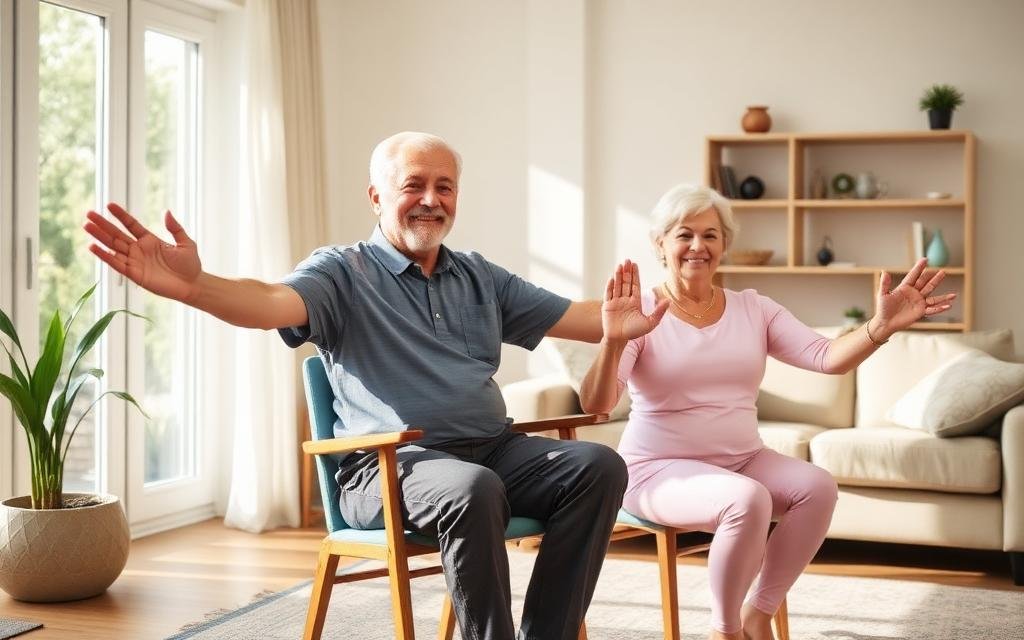
Yoga for Seniors: A Gentle Practice for Strength, Balance and Longevity
One of the great myths of modern fitness culture is that yoga is for young, flexible people. Nothing could be further from the truth. Yoga, perhaps more than any other movement practice, was designed to support the body through every stage of life — including, and especially, the later decades. Recent research has demonstrated that adults beginning yoga in their sixties, seventies and even eighties experience remarkable improvements in balance, strength, flexibility, sleep quality, mood and cognitive function. For seniors concerned about maintaining independence as they age, few interventions offer as much benefit as a consistent, gentle yoga practice. This guide walks through how to start safely, which poses to focus on and how to adapt the practice for every level of mobility.
Why Yoga Matters More As We Age
The two greatest threats to independence in later life are falls and frailty. Hip fractures from falls are the leading cause of seniors losing the ability to live independently. Sarcopenia — the loss of muscle mass that accelerates after age 60 — is the underlying driver of frailty. Yoga directly addresses both. Standing poses build the leg strength that prevents falls. Balance poses retrain the proprioceptive system that detects and corrects slips before they become falls. Weight-bearing poses preserve bone density and muscle mass. The gentle stretching maintains the joint mobility that allows seniors to bend, reach and dress themselves without assistance.
Before You Begin
If you have any medical conditions — heart disease, osteoporosis, recent joint replacement, glaucoma, uncontrolled blood pressure — talk with your doctor before starting. Look specifically for a senior-focused or "gentle yoga" class. Avoid hot yoga, power yoga and any class labeled "all levels," which often means moderately advanced. A good senior class moves slowly, uses props generously and offers seated and standing options for every pose.
Essential Props for Senior Practice
Two yoga blocks bring the floor closer when balance is uncertain. A sturdy chair provides support for standing poses and can be the primary platform for chair yoga. A folded blanket cushions sensitive knees and supports the spine in seated poses. A yoga strap allows you to reach feet and hands without straining. A wall is one of the best yoga props ever invented — use it for balance in standing poses and for safe inversions like Legs-Up-the-Wall.
Chair Yoga: A Complete Practice from Seated
For seniors with significant mobility limitations, an entire yoga practice can be done from a chair. Sit tall with both feet flat on the floor. Practice seated Cat-Cow by arching and rounding the spine with the breath. Do seated twists by turning gently to each side with hands on the chair arms. Lift the arms overhead for Mountain Pose. Cross the right ankle over the left knee for a Figure-Four hip stretch. Even the seated Sun Salutation — sweeping the arms with the breath through a flowing sequence — is possible and beneficial. Chair yoga offers all the cardiovascular, mood and flexibility benefits of standing practice without the fall risk.
Standing Poses with Support
For seniors comfortable with standing, hold the back of a sturdy chair or stand near a wall for these foundational poses. Mountain Pose teaches alignment. Warrior I and II build leg strength. Tree Pose, practiced with one fingertip touching the wall, trains balance more effectively than any other single pose. Triangle Pose, modified with a block under the lower hand, opens the hips and side body. Hold each pose for three to five slow breaths. Quality matters more than quantity — three poses done well are better than ten done rushed.
Floor Poses for Strength and Recovery
If getting up and down from the floor is manageable, add a few essential floor poses. Cat-Cow on hands and knees is the most important spinal-mobility exercise in existence. Bridge Pose strengthens the glutes and lower back. Supine knee-to-chest releases the low back. Reclining Bound Angle gently opens the hips. End every practice with at least five minutes of Savasana — lying flat on the back with eyes closed. This is when the nervous system integrates the practice and where many of the deepest benefits actually take place.
The Critical Importance of Balance Work
After age 65, balance training becomes medical care. A simple test: can you stand on one leg for ten seconds with your eyes open? Inability to do so predicts increased fall risk and reduced life expectancy in seniors. Yoga is one of the most effective balance training methods ever studied. Tree Pose, Warrior III (modified with a chair), Eagle Pose and standing on one leg while brushing your teeth all retrain the small stabilizing muscles and the inner-ear systems that prevent falls. Practice balance every single day. Even one minute counts.
Breathing for Vitality
Lung capacity naturally declines with age, but the decline accelerates dramatically in inactive seniors. Yoga breathing exercises directly counteract this. Practice diaphragmatic breathing daily — five minutes of slow deep belly breaths measurably improves lung function within weeks. Add gentle Ujjayi breath during your physical practice. Avoid forceful breath practices like Kapalabhati if you have any cardiovascular condition.
Cognitive and Emotional Benefits
Yoga's benefits for older adults extend far beyond the body. Multiple studies have shown that seniors who practice yoga regularly have measurably better memory, attention and executive function than non-practicing peers. Yoga also significantly reduces symptoms of depression and anxiety in older adults — conditions that affect a remarkably high percentage of seniors and are often under-treated. The social aspect of a senior yoga class adds another layer of benefit: loneliness is now recognized as a major health risk in later life, comparable to smoking or obesity. A weekly class with familiar faces is genuine medicine.
Starting Today
The best time to start yoga was thirty years ago. The second-best time is today. Begin with a single class, a single video or even five minutes of seated stretching at home. Pay attention to how your body feels not during the practice but afterward — slightly looser, slightly lighter, slightly more present. Build the habit slowly. Add one minute per week. Within three months, yoga will be part of who you are. Within a year, you will move, sleep and feel like a younger version of yourself. It is never too late. The mat is always waiting.